Dynamics 365 Remote Assist vs RayNeo X3 Pro
The client knows the seven features of Dynamics 365 Remote Assist on the HoloLens 2. The question from the kickoff meeting: can the AR glasses we are considering, the RayNeo X3 Pro, do the same things, and where is the performance different? Here is the honest feature-by-feature answer.
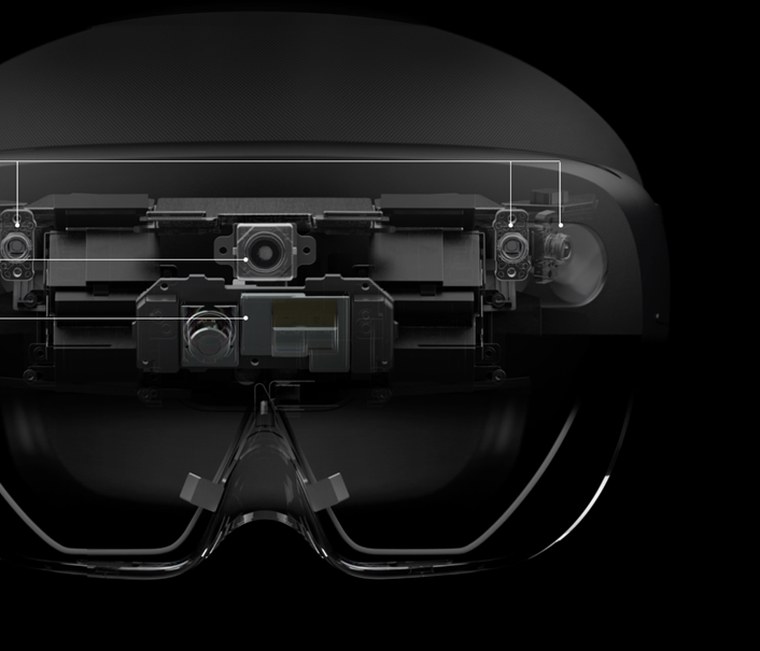
HoloLens 2 + Dynamics 365 Remote Assist
A complete, turnkey enterprise product. Microsoft built the headset and the Remote Assist app, so all seven features work out of the box with no development. It is heavy and costly, and Microsoft is winding it down.
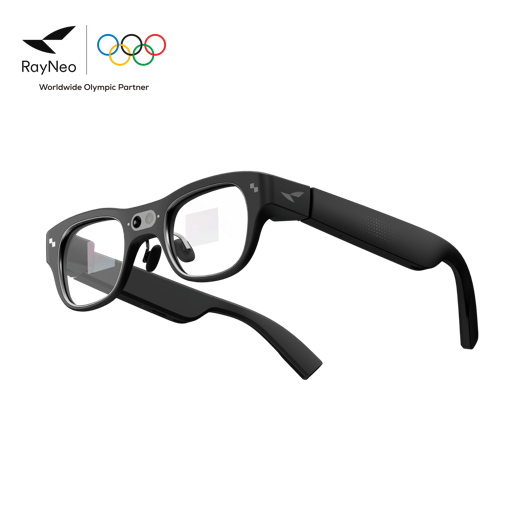
RayNeo X3 Pro
A light, modern, standalone glass with a built-in 12MP camera, 6DoF camera SLAM tracking, and on-lens Japanese, Thai, and English translation. Microsoft Teams sideloads onto it for a Remote Assist-style call, our team tested it, or we build a custom see-what-I-see app on its documented SDK.
The use case
What remote assist does
A worker on site streams their live view to a remote expert, who guides them and draws on the picture. This is the see-what-I-see use case the client wants. Both products do it. The comparison below is about how well, and at what cost.
Read this first
The reference platform is being retired
Microsoft is retiring Dynamics 365 Remote Assist
Loading the verified lifecycle dates.
The reference platform is winding down. Remote Assist and Guides reach end of support on December 31, 2026, and the HoloLens 2 is already out of production. Source: Microsoft Lifecycle.
The seven features
Feature by feature
Each row is one of the seven Remote Assist features. The middle column is HoloLens 2 plus the Remote Assist app today. The right side is the RayNeo X3 Pro and how we deliver the same feature on it.
| Feature | HoloLens 2 + Remote Assistready-made | RayNeo X3 Prosideload Teams or build it | The difference |
|---|
The net result
Where each one is ahead
Where the RayNeo X3 Pro is ahead
Where HoloLens 2 is ahead
By the numbers
The hard specs, side by side
Six measured specs. Three favour the RayNeo X3 Pro, three favour the HoloLens 2. The green value is the stronger one.
Performance differences
The three that matter
The meeting asked specifically about performance differences. Most features match. These three are where they truly differ.
In one line
The bottom line
The bottom line
Loading.
Sources
Every claim, linked
Each fact above comes from a primary source: Microsoft's own documentation for HoloLens 2 and Remote Assist, RayNeo's official specs and developer docs, and independent hands-on reviews.