Path 3: which glass?
Path 3 is a light AR display glass plus a phone, one of the four paths. Two glasses fit it: the RayNeo X3 Pro and the XREAL One Pro with the Eye add-on. They are good at different things. Here is the honest head to head so the team can choose.
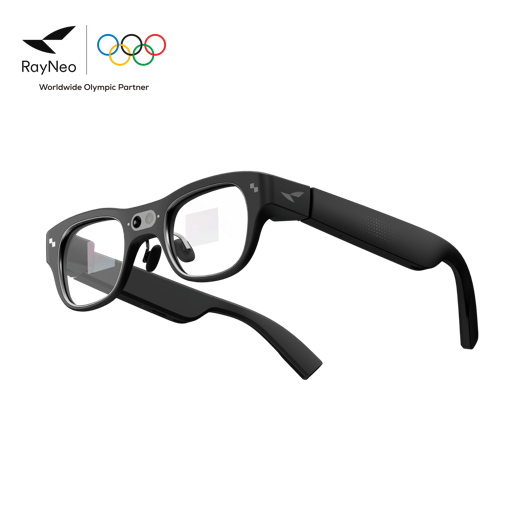
RayNeo X3 Pro
A standalone glass. It runs the app itself, translates Japanese, Thai, and English on the lens for free, and has a built-in 12MP camera. The best worker experience, if we can buy it in Japan and the camera test passes.
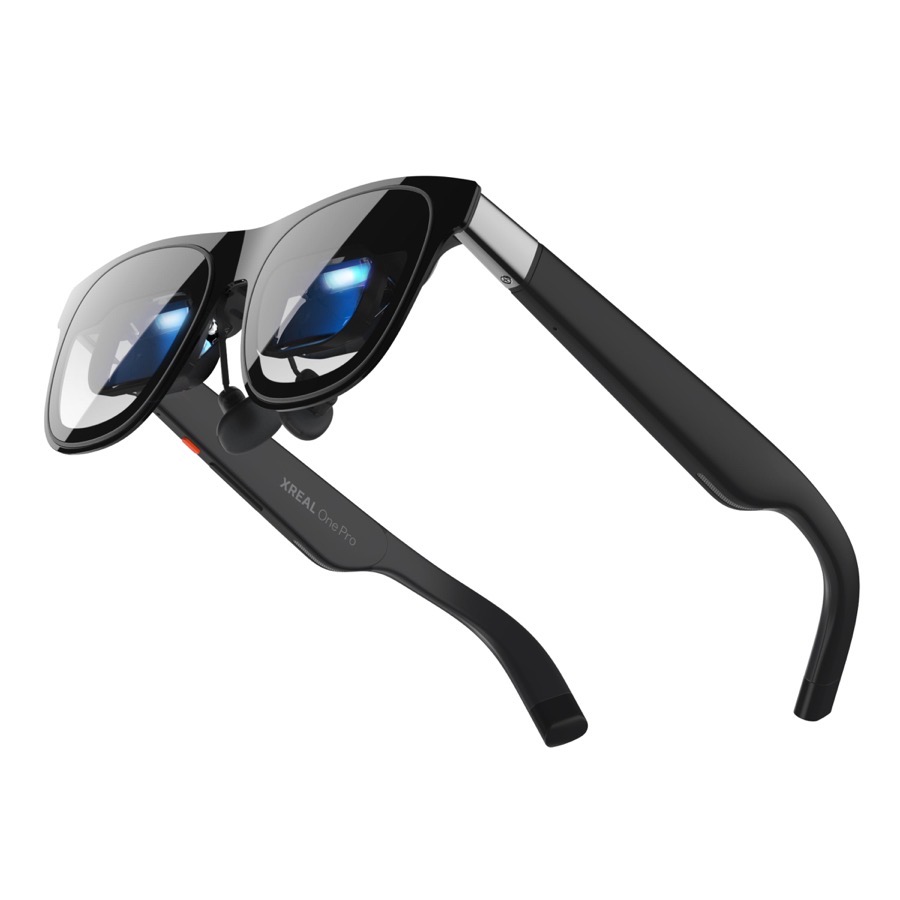
XREAL One Pro + Eye
A tethered display. The app runs on a connected phone or Beam, and the glass shows it. Add the $99 Eye for a camera. Half the price, the best display, on sale in Japan, and the lower-risk build.
The deciding difference
Standalone glass, or a display for a phone
RayNeo runs the app on the glass. The XREAL One Pro does not.
The One Pro is a display. The app actually runs on a phone or the Beam puck connected by a cable, and the glass just shows the picture. The RayNeo is a standalone computer you wear. For a worker moving around a factory, that is the whole game. With the RayNeo the worker wears one light pair of glasses and the phone only comes out for the measurement step. With the One Pro the worker wears the glasses, clips on the Eye camera, and runs a cable to a phone in the pocket that does all the work.
Side by side
The head to head
| Factor | RayNeo X3 Prostandalone | XREAL One Pro + Eyetethered display |
|---|---|---|
| Where the app runs | On the glass, standalone | On a tethered phone or Beam, the glass is a display |
| Translate JP / TH / EN | On the lens, built in, free | On the phone, you run it (Gemini) |
| Camera | Built in, 12MP | Needs the $99 Eye clip-on, 12MP, monocular |
| Display | Smaller waveguide | Bigger and brighter, 57 degree, the best display |
| Weight on the worker | ~76 g, nothing else | ~87 g glass, plus a cable to the phone |
| Price | ~$1,300 | ~$700 ($599 + $99 Eye) |
| Sold in Japan | Not confirmed, check first | Yes, on sale today |
| Build and deploy | Sideload onto the glass, ShareCamera API documented, no fleet manager | Normal Android phone app, best docs, lower risk |
| Measure 3D | On the phone | On the phone |
When to pick each
Two clear cases
Pick the RayNeo X3 Pro
- You want one light glass, truly hands-free, with nothing tethered.
- You want Japanese, Thai, and English on the lens for free, no phone juggling.
- You want a built-in camera, with no clip-on to knock off.
- You can buy it in Japan, and the one-day camera test passes.
Pick the XREAL One Pro + Eye
- Budget matters. It is about half the price, ~$700 versus ~$1,300.
- You need it on sale in Japan today, with no sourcing gamble.
- You want the lower-risk build: a normal phone app, the glass just displays it, with the best developer docs.
- You are fine with a cable to the phone and the camera as a clip-on.
How to choose
Two glasses, two strengths
The decision is open
RayNeo is the stronger end product for the worker. It is the only one that is a true standalone hands-free glass with on-lens translation and a built-in camera. The trade is that it is more expensive and carries two open risks.
The XREAL One Pro plus Eye is cheaper, on sale in Japan, and the lower-risk build, but it is a tethered display driven by the phone with the camera as a clip-on. If we go toward RayNeo, two checks come first.
Buy it in Japan. Confirm we can buy the RayNeo X3 Pro in Japan, or import it with support. The XREAL One Pro is already on sale there.
Run the one-day camera test. The ShareCamera API is documented, so this confirms speed and reliability, not whether it works at all.